
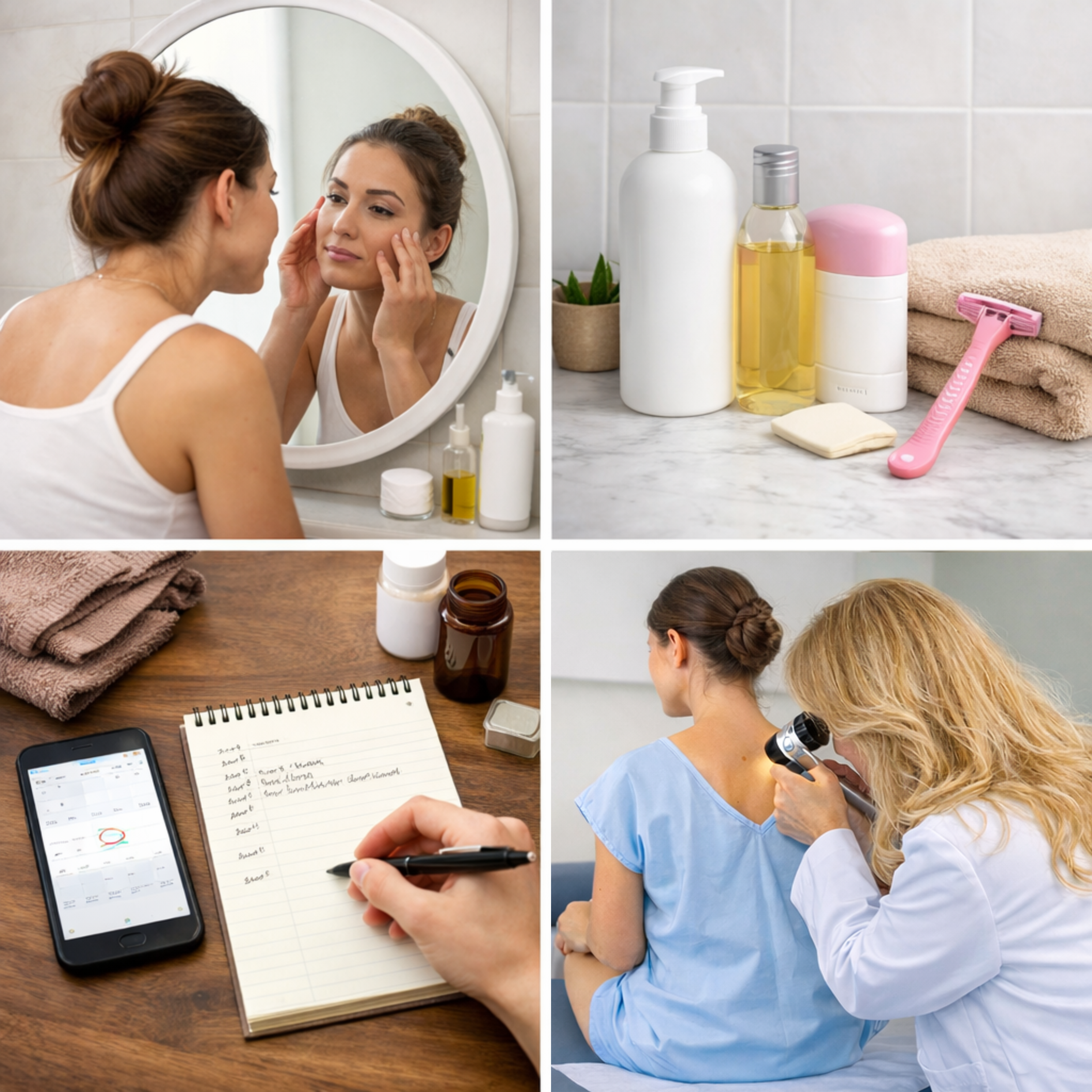
 Your Complete Guide from Dayton Skin Care
Skin cancer is the most common form of cancer in the United States, but when detected early, it is highly treatable. A professional skin cancer screening is one of the most important steps you can take to protect your health. At Dayton Skin Care, we’re committed to helping patients throughout Dayton, OH take a proactive approach to skin health.
If you’ve scheduled your first screening—or it’s been a while since your last one—you may be wondering how to prepare. This comprehensive guide will walk you through everything you need to know so you can feel confident, informed, and ready for your appointment.
Why Skin Cancer Screenings Matter
Skin cancer can develop anywhere on the body, even in areas that don’t get much sun. Regular screenings help identify:
-
Suspicious moles or lesions
-
Changes in existing spots
-
Early signs of melanoma, basal cell carcinoma, or squamous cell carcinoma
-
Precancerous growths
Early detection significantly increases treatment success and often allows for less invasive treatment options.
What Is a Skin Cancer Screening?
A skin cancer screening is a thorough, head-to-toe visual examination of your skin performed by a trained medical professional. During the exam, your provider will:
-
Evaluate moles, freckles, and growths
-
Look for unusual coloration, asymmetry, or irregular borders
-
Identify any areas that may require monitoring or biopsy
-
Discuss your risk factors and medical history
Screenings are typically quick, painless, and can often be completed in 15–30 minutes.
How to Prepare for Your Skin Cancer Screening
Proper preparation ensures your provider can perform a thorough and accurate evaluation. Follow these simple steps before your appointment at Dayton Skin Care.
1. Remove Nail Polish
Skin cancer can develop under fingernails and toenails. Remove all nail polish (including clear polish and gel) before your appointment so your provider can fully examine your nail beds.
2. Skip Makeup and Heavy Skincare Products
Avoid wearing:
-
Foundation or concealer
-
Heavy lotions
-
Self-tanner
-
Thick moisturizers
Clear, product-free skin allows for better visualization of your natural skin tone and any abnormalities.
3. Wear Loose, Comfortable Clothing
You will likely be asked to change into a medical gown for a full-body exam. Wear clothing that is easy to remove and comfortable.
4. Take Note of Any Changes
Before your appointment, check your skin at home. Use mirrors to examine hard-to-see areas like:
-
Your back
-
Scalp
-
Behind the ears
-
Bottoms of your feet
Make note of any spots that:
-
Have changed in size, color, or shape
-
Itch, bleed, or crust
-
Look different from your other moles
This is often called the “ugly duckling” sign—anything that stands out.
5. Know Your Personal and Family History
Be prepared to discuss:
-
Personal history of skin cancer
-
Family history of melanoma
-
History of tanning bed use
-
Frequent sunburns
-
Occupational sun exposure
This helps determine your risk level and screening frequency.
6. Do Not Shave Suspicious Areas
If you have a concerning mole or lesion, avoid shaving over it before your appointment to prevent irritation or bleeding.
7. Bring a List of Medications
Certain medications can increase sun sensitivity. Having an updated list helps your provider evaluate risk factors.
What to Expect During Your Appointment
At Dayton Skin Care, your comfort and privacy are priorities. During your visit:
-
You’ll discuss your medical history and concerns.
-
A full-body skin exam will be performed.
-
Suspicious areas may be photographed for monitoring.
-
If needed, a biopsy may be recommended.
If a biopsy is necessary, it is typically a quick in-office procedure performed with local anesthesia.
Who Should Get a Skin Cancer Screening?
You should consider annual screenings if you:
-
Have fair skin or light-colored eyes
-
Have many moles
-
Have a family history of melanoma
-
Have experienced blistering sunburns
-
Use or previously used tanning beds
-
Work outdoors
-
Are over age 40
However, anyone can develop skin cancer—even those without obvious risk factors.
The ABCDE Rule: What to Watch For
Use the ABCDE rule when checking your skin:
-
A – Asymmetry: One half doesn’t match the other
-
B – Border: Irregular, scalloped, or poorly defined edges
-
C – Color: Multiple colors or uneven shading
-
D – Diameter: Larger than 6mm (about the size of a pencil eraser)
-
E – Evolving: Changing in size, shape, or color
If you notice any of these signs, schedule an evaluation promptly.
Comprehensive Q&A: Skin Cancer Screening
Q: How often should I get a skin cancer screening?
A: Most adults should have a professional screening once a year. Higher-risk individuals may need more frequent exams.
Q: Is a skin cancer screening painful?
A: No. The visual exam is completely painless. If a biopsy is needed, local anesthesia ensures minimal discomfort.
Q: Do I need a referral?
A: In many cases, no referral is required. Contact Dayton Skin Care to confirm based on your insurance plan.
Q: How long does the appointment take?
A: A full-body skin exam typically takes 15–30 minutes.
Q: What happens if something suspicious is found?
A: Your provider may recommend monitoring the area or performing a biopsy. Early detection allows for highly effective treatment options.
Q: Can skin cancer appear in areas not exposed to the sun?
A: Yes. Skin cancer can develop anywhere, including the scalp, under nails, between toes, and on areas rarely exposed to sunlight.
Q: Should teenagers get screened?
A: Teens with risk factors such as family history, fair skin, or many moles may benefit from screenings. Discuss concerns with a provider.
Q: What if I have a lot of moles?
A: Having many moles increases melanoma risk. Routine professional monitoring is especially important in these cases.
Q: Does insurance cover skin cancer screenings?
A: Many insurance plans cover preventive skin exams. Coverage varies, so check with your provider.
Q: Can I check my own skin instead of seeing a professional?
A: Monthly self-exams are important, but they do not replace a professional evaluation. Some concerning spots can be difficult to identify without medical training.
Take the Next Step Toward Healthy Skin
Your skin is your body’s largest organ—and protecting it is essential. A simple, routine screening can provide peace of mind and potentially save your life.
If it’s been a year or you’ve noticed changes in your skin, now is the time to schedule your appointment.
Contact Dayton Skin Care
Dayton Skin Care
3025 Governor’s Pl Blvd
Dayton, OH 45409
Phone: (937) 293-5567

